Planning a Safe and Enjoyable Road Trip in Your Classic Car
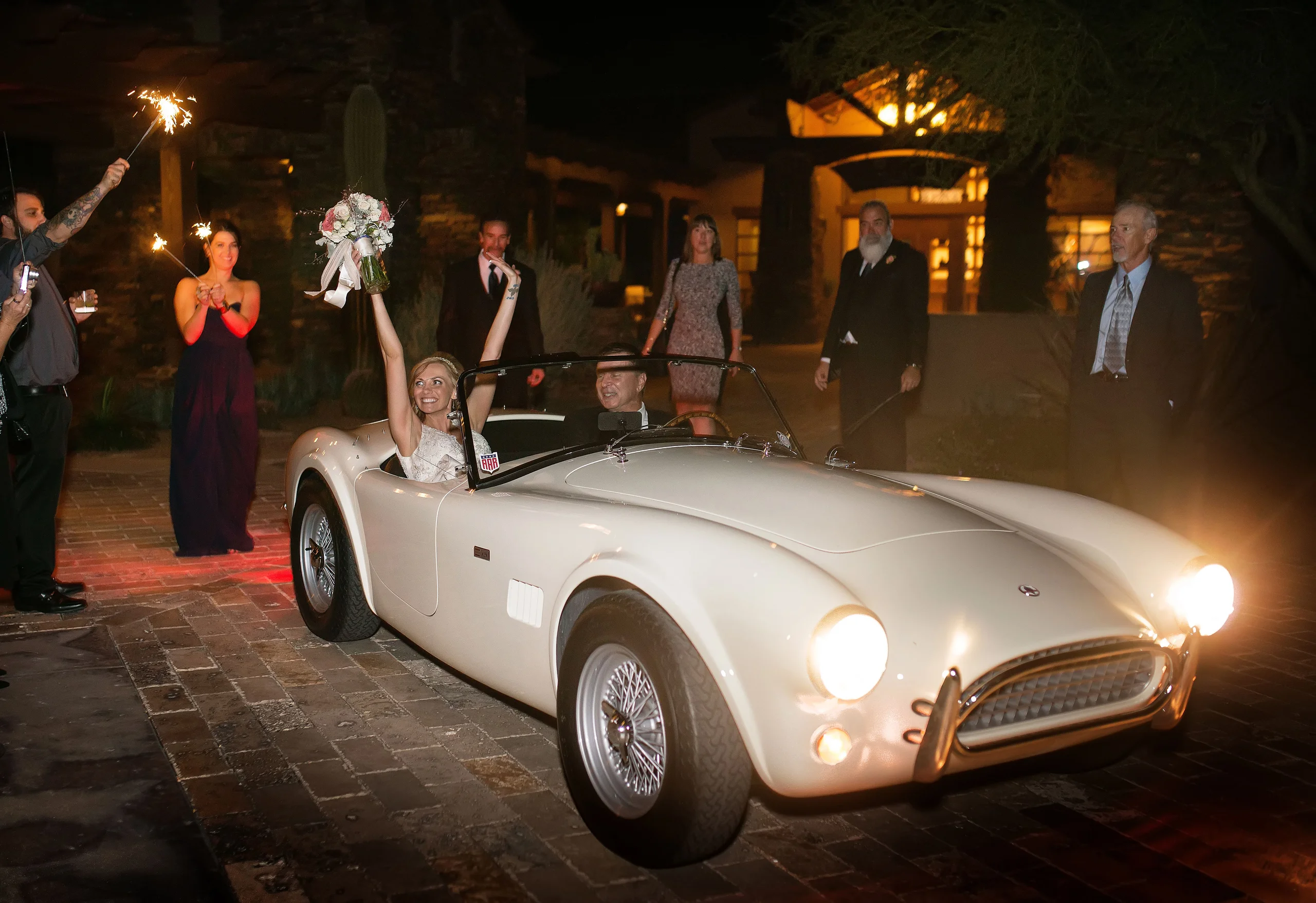
There’s a special kind of optimism that comes with pointing a classic car toward the open road. Modern vehicles are efficient, insulated, and often forgettable. A classic is the opposite. It has a pulse. It asks more of the driver. It rewards attention. And when the route stretches out ahead of you—whether that’s Pacific Coast Highway, a desert run outside Southern California, or a long weekend through mountain roads—a classic car road trip becomes more than transportation. It becomes an event.
That said, romance should never replace preparation. Vintage and continuation performance cars, from Shelby Cobras and Daytona Coupes to GT40s and classic Mustangs, deliver unforgettable driving experiences, but they also demand respect. A road trip in one of these machines is not the same as tossing a bag into a late-model SUV and hoping for the best. Heat, traffic, tire condition, fuel stops, tool kits, and mechanical readiness matter. So does knowing the personality of your car.
At Hillbank Motor Corporation, that mindset is second nature. As an authorized Shelby dealer and a trusted source for Superformance vehicles, the team works with drivers and collectors who want more than a showroom experience—they want confidence behind the wheel. If you’re planning a classic car road trip, the goal is simple: protect the car, protect the people in it, and leave enough room for the trip to still feel like an adventure.
Start With an Honest Assessment of the Car
Before you daydream about the route, get brutally honest about the vehicle. Not sentimental—honest. A classic car may look flawless under showroom lights and still have a marginal cooling system, aging hoses, weak battery, or tires that are technically legal but nowhere near road-trip ready. The first step in planning a safe trip is asking whether the car is actually prepared for sustained miles, stop-and-go traffic, heat soak, elevation changes, and long idle periods.
This matters even more with high-performance classics and continuation cars. A Shelby-style roadster or GT40-inspired build may be engineered to a very high standard, but that doesn’t mean every example is equally ready for a 300-mile day. If the car has been sitting, if it’s newly purchased, or if you’ve only used it for short local drives, treat that as a warning flag. The open road exposes weaknesses fast. A fuel delivery issue that barely shows up on a 15-minute drive can become a trip-ending problem two hours outside Irvine.
A professional pre-trip inspection is one of the smartest investments you can make. Have a qualified technician check fluid condition, belts, hoses, battery health, tire age, brake wear, steering response, suspension components, and cooling performance. Look for leaks, loose clamps, charging issues, and anything that could turn from inconvenience to breakdown. The point is not paranoia. It’s prevention.
Pay Close Attention to Tires, Brakes, and Cooling
If you strip away the glamour, road-trip reliability usually comes down to a few unglamorous systems. Tires, brakes, and cooling are at the top of that list. These are the parts that take the most abuse and the ones most likely to ruin your day if ignored.
Tires deserve more scrutiny than a quick glance. Tread depth matters, but age matters too. A tire can look healthy and still be old enough to make you nervous at highway speed in summer heat. Check the date codes. Inspect sidewalls for cracking. Make sure pressures are set correctly for the car and the load you’re carrying. If you’re driving a lightweight roadster with a short wheelbase and plenty of torque, fresh, correctly inflated tires can make the difference between a planted, enjoyable drive and a car that feels skittish over every expansion joint.
Brakes should feel consistent, predictable, and confidence-inspiring. A soft pedal, pulling under braking, vibration, or excessive travel should be addressed before the trip, not explained away with a shrug. On a classic car road trip, you may encounter steep descents, sudden traffic, or long downhill grades where brake performance becomes non-negotiable.
Cooling is the quiet villain of many classic car adventures. Heat builds slowly, then all at once. A car that runs fine around town can get unhappy in traffic, on long climbs, or in triple-digit inland temperatures. Southern California drivers know this well. A route that begins in cool coastal air can turn punishing by the time you’re inland. Check coolant condition, fan operation, radiator health, thermostat function, and hose integrity. If the temperature gauge has a habit of creeping upward, don’t gamble on “probably fine.”
Plan the Route for the Car, Not Just the Destination
One of the biggest mistakes people make is planning a trip around what looks best on a map rather than what makes sense for the vehicle. The shortest route is not always the smartest. Neither is the most remote. A classic car road trip should be designed with fuel access, shoulder space, traffic patterns, road quality, and weather in mind.
Think in terms of rhythm. Older performance cars often prefer steady movement over endless idling. That means avoiding notorious choke points when possible, especially in urban corridors or holiday traffic. If you’re leaving from Orange County or the greater Irvine area, an early departure can make the difference between a smooth morning run and a miserable crawl with heat radiating through the firewall.
Build in conservative fuel stops. Classic and specialty performance cars do not always offer the range modern drivers are used to, and gauges can be more suggestive than precise. Don’t run the tank low just because the next town is “only 25 miles away.” That kind of optimism is how you end up discovering a closed station in the middle of nowhere.
It also helps to have a layered route plan. Choose your primary route, then identify backup stops, alternate roads, and service options along the way. If weather shifts, traffic stacks up, or the car starts signaling that it wants a shorter day, you’ll have options. Good road-trip planning should leave room for flexibility without turning into chaos.
Pack Like a Driver, Not a Tourist
Packing for a classic car is less about quantity and more about judgment. Space is usually limited, especially in cars like Cobras, Daytona Coupes, and GT40-style vehicles. Every item should earn its place.
Bring the essentials first: basic hand tools, flashlight, gloves, zip ties, electrical tape, spare fluids if appropriate, rags, phone charger, tire pressure gauge, and any model-specific items your mechanic recommends. A compact emergency kit is worth carrying, as are printed insurance and registration documents in case your phone dies where service is weak.
If your car has known quirks, pack for those quirks. Some classics have fussy electrical behavior. Some are sensitive to heat. Some may benefit from a spare belt, extra fuses, or a small battery jump pack. This is where knowing your vehicle matters more than any generic checklist from the internet.
Then think about comfort and exposure. Many classic cars are louder, hotter, and less forgiving than modern vehicles. Bring water. Bring sunscreen. Bring a hat if you’re in an open-top car. Bring ear protection if the cabin is especially raw on long drives. What feels charming for 45 minutes can feel punishing by hour four. There is no trophy for suffering through avoidable discomfort.
Understand the Personality of a Classic Car on the Highway
A modern car is designed to flatten the driving experience. A classic car magnifies it. You feel crosswinds. You notice changes in pavement. You hear mechanical sounds that would be hidden in newer vehicles. That’s part of the magic, but it also means the driver needs to stay engaged.
On the highway, leave more following distance than you normally would. Visibility, braking feel, and emergency maneuvering can all be different in a classic. Cars with side pipes, aggressive gearing, or high cabin temperatures can wear you down faster than expected. Fatigue sneaks in not because the drive is boring, but because it is vivid. The car keeps asking you to participate.
This is especially true in performance-oriented classics. A Cobra doesn’t meander down the road like an appliance. It barks, surges, and reacts. A GT40-style car sits low, feels intense, and asks for situational awareness. A vintage Mustang or Shelby build may feel more familiar, but it still communicates in a more analog language than a modern commuter. Respecting that character makes the trip better. Fighting it makes the trip tiring.
Take breaks before you need them. Stretch. Check the car. Walk around it. Look for fluid drips, uneven tire wear, loose trim, or anything that changed since the last stop. These little resets are part of the discipline of classic motoring. They’re also part of the pleasure.
Watch the Weather Like It Owes You Money
Weather matters on any road trip, but in a classic it can feel personal. Heat stresses cooling systems. Sudden rain tests wipers, seals, tires, and visibility. Wind can make a lightweight roadster feel twitchy. Cold mornings can change startup behavior and drivability.
Check forecasts for the full route, not just your departure city. A comfortable morning in coastal Southern California can turn into desert heat or mountain chill in a matter of hours. If your route includes elevation changes, expect the car to behave differently. Carbureted setups, older ignition systems, and vintage-style cabins all react to those shifts.
Rain deserves special respect. Even if your classic is mechanically sound, older-style tires, open-top configurations, and minimal weather sealing can make a wet drive more work than fun. If the forecast looks ugly, postponing is not cowardice. It’s judgment. The road will still be there next weekend.
Don’t Ignore the Human Side of the Trip
People spend so much time preparing the machine that they forget the occupants are part of the equation. A great classic car road trip depends on driver condition, passenger expectations, and pace.
If you’re traveling with someone who has never spent hours in a classic sports car, set expectations early. Explain the noise, heat, luggage limits, entry and exit quirks, and fuel-stop frequency. A passenger who expects luxury-car comfort may be shocked by the reality of a side-pipe roadster in summer traffic. A passenger who knows what’s coming is much more likely to enjoy the experience.
The driver needs to manage ego as much as endurance. Don’t chase unrealistic mileage goals. Don’t push through fatigue because the route looked manageable on paper. Don’t drive through mechanical anxiety hoping it will disappear. A classic car trip should feel spirited, not strained. If the car or the crew needs a shorter day, take the shorter day.
Service Support Matters Before and After the Trip
One of the advantages of buying and maintaining a specialty vehicle through an experienced dealership is access to people who know the platform. That knowledge becomes especially valuable when you’re preparing for travel. Factory-trained technicians and specialists familiar with Shelby and Superformance vehicles can often spot issues quickly, recommend preventive maintenance, and help you understand what is normal for the car versus what needs attention.
That’s part of the ownership value offered by a dealership like Hillbank Motors. For enthusiasts throughout Southern California and beyond, having access to authorized expertise can make the difference between a confident departure and a nervous one. Whether you own a Cobra, Daytona Coupe, GT40, or classic Shelby-style performance car, proper support helps preserve both reliability and authenticity.
After the trip, don’t just park the car and call it done. Inspect it. Clean it. Note anything that changed: new noises, fluid usage, brake feel, temperature behavior, clutch response, or tire wear. Road trips reveal things. A thoughtful post-trip check helps you catch small problems before they become expensive ones.
The Best Classic Car Road Trips Feel Effortless—Because They Weren’t
The irony of a memorable road trip is that the smoother it feels, the more preparation probably went into it. The best drives have that loose, cinematic quality—sunlight on the hood, the engine settling into its stride, a fuel stop that turns into a conversation with a stranger who knows exactly what the car is. But those moments usually rest on practical decisions made days earlier.
A safe and enjoyable classic car road trip is not about eliminating every risk. It’s about stacking the odds in your favor. Inspect the car carefully. Plan a sensible route. Pack with intention. Respect weather, heat, and fatigue. Know the machine you’re driving. And when possible, lean on experienced professionals who understand these vehicles inside and out.
That’s how you protect the experience. Because when a classic car trip goes right, it doesn’t feel like ordinary travel. It feels like stepping into a mechanical era that still knows how to stir the blood. The road gets louder, the scenery gets sharper, and every mile asks you to pay attention. For the right driver, in the right car, that’s not a burden. That’s the whole point.
If you’re exploring Shelby or Superformance ownership, or you want expert support for maintaining a road-trip-ready classic in Southern California, Hillbank Motor Corporation offers the inventory, service knowledge, and enthusiast-first guidance to help you enjoy the drive with confidence.