How to Maintain and Preserve Your Vintage Car’s Interior
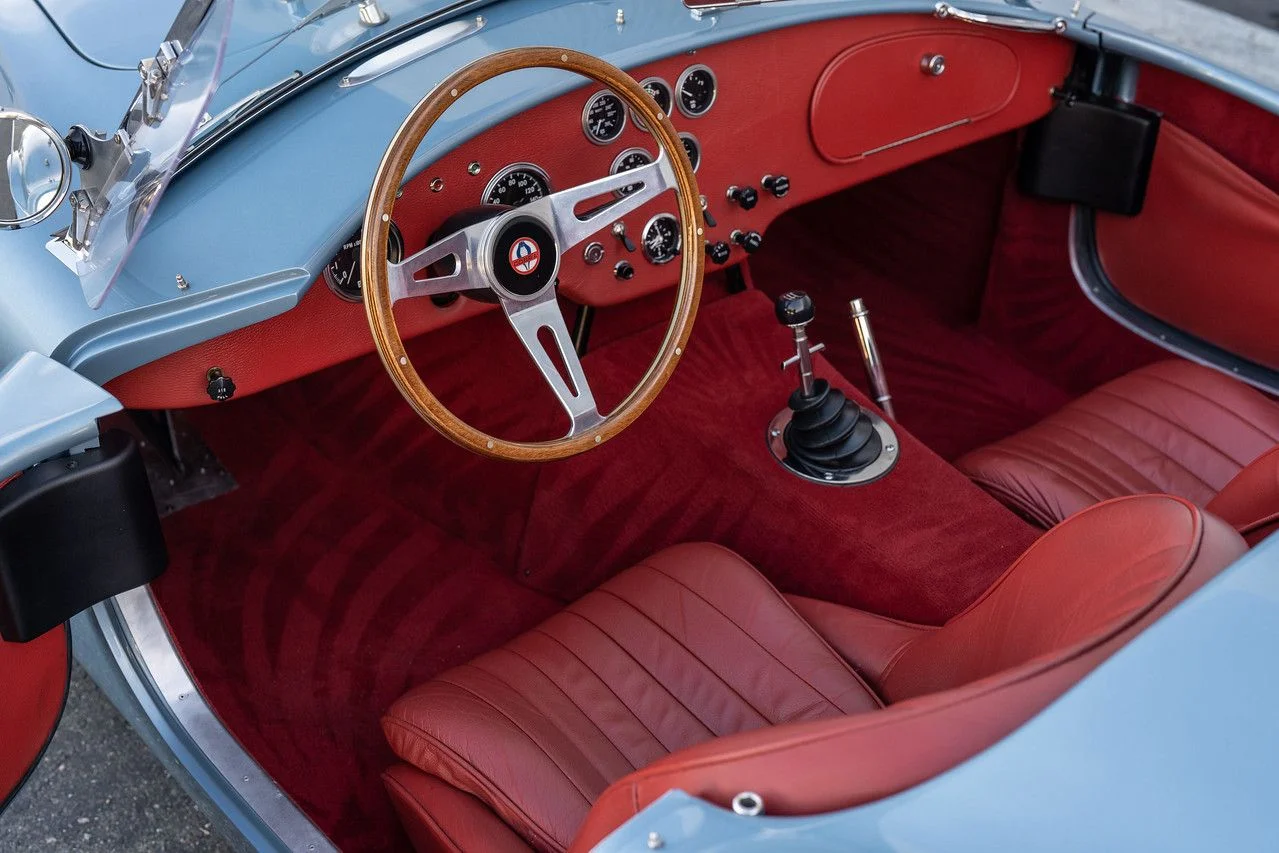
A vintage car’s interior tells the truth. Paint can be corrected, chrome can be polished, and engine bays can be detailed until they look almost surgical. But the cabin is where age, use, climate, and care all leave fingerprints. The steering wheel sheen, the way leather creases at the bolster, the faint dryness in old vinyl, the smell of wool carpet on a warm day—this is where a classic car either feels preserved or simply old.
For collectors and enthusiasts, vintage car interior care is not just about appearance. It is about protecting originality, preserving value, and making sure every drive still feels special. Whether you own a Shelby Cobra, a GT40, a classic Mustang, or another iconic sports car, the interior deserves the same level of attention as the drivetrain and bodywork. A cracked dash, faded upholstery, or neglected weatherstripping can quietly chip away at the ownership experience, as well as its possible resale value.
At Hillbank Motors in Irvine, we live in a world where craftsmanship matters. Factory-built continuation cars, licensed performance classics, and collector-grade vehicles all demand thoughtful maintenance. And while Southern California gives owners plenty of beautiful driving days, the same sun and heat that make coastal drives irresistible can be brutal on leather, vinyl, carpeting, and trim. Preserving a vintage interior means understanding what damages it, what protects it, and what should never be rushed.
Why Vintage Car Interior Care Matters More Than Most Owners Think
Many owners focus first on what the world sees from ten feet away: glossy paint, proper stance, clean wheels, and a strong mechanical presentation. But buyers, judges, and knowledgeable enthusiasts almost always inspect the interior up close. They notice stitching, switchgear, carpet fitment, gauge clarity, seat condition, and whether the cabin feels honest to the car’s era. A well-kept interior creates confidence. A neglected one raises questions.
There is also a practical side to interior preservation. Leather that dries out eventually cracks. Vinyl that bakes in the sun becomes brittle. Carpets trap moisture and odors. Rubber seals harden and allow leaks. Even wood trim and painted dashboard surfaces can fade or split when exposed to repeated heat cycles. Once deterioration reaches a certain point, preservation becomes restoration—and restoration is usually more expensive, more invasive, and less original than proper care would have been.
For collector vehicles, originality still carries weight. A seat cover that survives in excellent condition is often more desirable than a replacement, even a good one. The same goes for dash pads, gauge faces, door panels, and trim pieces. Vintage car interior care is, in many cases, an exercise in restraint. The goal is not to make the cabin look artificially new. The goal is to keep it authentic, healthy, and usable without erasing its character.
Start With the Biggest Threat: Sun and Heat
If rust is the silent killer underneath a classic car, UV exposure is the silent killer inside it. Sunlight does not attack all at once. It works slowly, like paper left in a window for years. Leather loses oils. Vinyl fades and stiffens. Plastic trim chalks over. Dash tops warp or crack. Adhesives weaken. On hot days, interior temperatures can climb fast enough to make every surface feel like it is being slowly toasted.
This is especially relevant in Southern California. Owners in Irvine and across Orange County enjoy year-round driving weather, but that same climate can punish a vintage cabin if the car is routinely parked outdoors or stored near windows. Even short exposure adds up over time. A car that looks fine this summer may show shrinking, discoloration, or splitting two summers from now.
The first line of defense is simple but effective: store the vehicle indoors whenever possible. A climate-controlled garage is ideal, but even a shaded enclosed space is far better than open sun. Use a quality windshield sunshade if the car must sit outside temporarily. If your vehicle spends time at events, concours gatherings, or weekend meets, be mindful of where and how long it is parked. Protecting the interior often comes down to small decisions repeated consistently.
Clean Gently, Not Aggressively
One of the most common mistakes in classic car interior maintenance is overcleaning. Owners mean well, but they attack delicate materials with harsh all-purpose cleaners, stiff brushes, or heavily fragranced products designed for modern daily drivers. A vintage interior is not a plastic gym locker. It is a mix of old leather, aged vinyl, painted surfaces, metal trim, rubber, carpet, and sometimes wood or period-specific materials that react badly to the wrong chemistry.
Dust should be removed first with a soft microfiber towel, detailing brush, or low-suction vacuum attachment. Dirt acts like sandpaper. If you scrub before removing loose debris, you grind contaminants into the material. That is how leather gets dull, clear gauge lenses get hazy, and textured vinyl loses its finish.
Use cleaners matched to the material, and always test in an inconspicuous area. Leather needs pH-appropriate products. Vinyl needs something mild that cleans without stripping. Carpets may need spot treatment, but soaking them can create bigger problems if moisture gets trapped underneath. Think of interior cleaning less like pressure washing a driveway and more like caring for a good leather jacket or old wooden instrument. The point is preservation, not aggression.
How to Care for Vintage Leather Seats and Trim
Leather is often the emotional center of a classic car cabin. It is where the driver connects physically with the car—through the seat, the wheel, sometimes the shifter boot or door inserts. When leather is healthy, it has a certain richness to it. Not a greasy shine, but a supple, lived-in finish. When it is neglected, it tightens, dries, and eventually fractures like old riverbed clay.
Clean leather only when needed and condition it on a sensible schedule. Too little care dries it out, but too much product can clog the surface, leave residue, or create a slick artificial feel. Apply conditioner sparingly and let it absorb naturally. Focus on high-stress areas like seat bolsters, seat bottoms, and upper backrests, where movement and body contact cause the most wear.
If your vintage vehicle has original leather, be especially cautious. Original hides can be thinner, more delicate, and more valuable than replacement upholstery. Avoid heavy scrubbing around seams and piping. If you see color transfer, cracking, or surface flaking, stop trying to “fix” it with more product. That is the point where a professional assessment is smarter than experimentation. In collector cars, the wrong DIY solution can do more damage than the original issue.
Preserving Vinyl, Dash Pads, and Plastic Interior Components
Many vintage performance cars feature vinyl surfaces, dash pads, center consoles, and molded trim that are just as vulnerable as leather—sometimes more so. Vinyl often gives less warning before damage appears. It can look fine one season and then suddenly show shrinkage, fading, or cracking the next. Dash pads are particularly notorious because they absorb direct sunlight like a blacktop parking lot in August.
Use a non-greasy protectant made for vintage-compatible vinyl and plastic surfaces. Avoid anything that leaves behind a wet, shiny coating. That glossy look may seem clean at first glance, but it often attracts dust and can accelerate deterioration if the product contains the wrong solvents. Worse, a slick dash can create windshield glare that cheapens the whole experience.
Pay close attention to gauge bezels, switch surrounds, steering column trim, and hard-to-source pieces. In many classic cars, these components are not easy to replace with correct parts. A small crack in a rare trim piece can become a months-long hunt. Gentle cleaning, UV protection, and smart storage are far cheaper than searching for unobtainable original interior components.
Don’t Ignore Carpets, Headliners, and Door Panels
When people think about preserving a vintage car’s interior, they usually jump to the seats and dash. But carpets, headliners, and door panels age just as visibly, and often more quietly. Carpets absorb dust, moisture, oil from shoes, and odors from years of use. Headliners sag when adhesives weaken or humidity gets involved. Door panels can warp from moisture intrusion or repeated heat exposure.
Vacuum carpets regularly using soft attachments, especially around seat tracks, pedal boxes, and under mats where grit accumulates. If the car gets caught in rain or develops a leak, dry the interior immediately. Moisture in old carpet padding can linger longer than you think, and that stale smell is often the first clue that something underneath is beginning to rot, mold, or corrode.
Door panels deserve a close eye because they often reveal hidden issues. If you notice waviness, loose edges, or discoloration, water may be getting past window seals or vapor barriers. Headliners should be dusted lightly and never saturated. Older materials can separate from their backing if treated too aggressively. In other words, the soft parts of the cabin need the same kind of strategic attention as the obvious ones.
Watch the Weatherstripping and Seals
Interior preservation is not only about what happens inside the cabin. It is also about what gets in. Old weatherstripping and seals harden over time, especially in warm climates. Once that happens, water, dust, and hot air begin sneaking into the car. The result may start small—a musty smell, a damp carpet edge, a little wind noise—but the long-term consequences can include stained upholstery, warped panels, rusty floor pans, and damaged insulation.
Inspect door seals, window channels, trunk seals, and windshield and rear glass perimeters regularly. Look for flattening, cracking, brittleness, or spots where the seal no longer sits evenly. If your classic car has removable tops or specialty body configurations, proper sealing becomes even more important.
This is one of those areas where owners sometimes focus on cosmetics while missing the root cause. You can shampoo carpet and condition seats all day, but if a seal is allowing moisture into the cabin, the problem will keep coming back. Vintage car interior care works best when you think of the vehicle as a complete system, not a collection of isolated surfaces.
Use the Right Storage Practices for Long-Term Preservation
Storage can preserve an interior beautifully or age it in slow motion. The ideal setup is a clean, dry, climate-moderated garage with stable humidity and minimal direct sunlight. Extreme swings in temperature are rough on adhesives, leather, vinyl, and wood. So is trapped moisture. A car cover can help protect from dust, but it is not a substitute for a good storage environment.
Keep windows fully closed unless you are actively ventilating a dry, secure indoor space. Leaving them cracked may sound harmless, but it can invite dust, pests, and humidity. Use moisture control products if your storage area tends to run damp. Avoid storing papers, rags, or cardboard in the cabin, as they can trap odors and attract insects.
If the car sits for extended periods, check the interior regularly rather than assuming no news is good news. Sit inside it. Smell it. Look at the dash. Feel the leather. Lift the mats. A vintage car often gives subtle warnings before visible damage appears. A faint mildew smell, a tacky surface, or a slight haze on interior trim can be the first whisper that conditions need to change.
Drive It Carefully, and the Interior Will Last Longer
Preservation does not mean hiding the car forever. In fact, many vintage interiors age better when the car is used thoughtfully. Doors, windows, latches, seat tracks, and ventilation systems benefit from periodic operation. Leather stays healthier when it is not left untouched for years in a hot garage. But there is a difference between regular use and careless use.
Get in and out of the car with intention, especially in low-slung classics like Cobras and GT40s where seat bolsters take a beating. Avoid sliding across leather. Keep sharp belt buckles, rivets, and tools away from upholstery. Do not toss keys, sunglasses, or loose metal objects onto the dash or console. It sounds obvious, but many of the scratches and scuffs that frustrate owners happen in these ordinary, absentminded moments.
If you share the car with friends, family, or event attendees, set expectations. A vintage cabin is not a rental counter sedan. It is a curated environment made of rare materials and hard-to-replace parts. Treating it with a little ceremony is not pretentious. It is practical.
Know When Professional Service Makes Sense
There is a point where careful maintenance should give way to expert intervention. Deep leather cracking, shrinking dash material, sagging headliners, water intrusion, or unusual odors often indicate underlying issues that need more than a bottle and a towel. A professional who understands collector vehicles can identify whether a part should be cleaned, repaired, preserved, or replaced.
This matters even more for rare and high-value vehicles. On a collector-grade Shelby, continuation model, or vintage performance car, a poor repair can hurt authenticity and value. Correct materials, proper fit, and era-appropriate finishes make a real difference. The best work is often the kind you barely notice because it respects what the car already is.
At Hillbank Motors, we understand that ownership is about more than acquisition. It is about stewardship. From factory-built continuation cars to iconic vintage sports cars, preserving the interior is part of preserving the soul of the vehicle. The cabin is where history becomes personal—where every drive, every shift, every glance across the gauges connects you to the machine.
Preserve the Experience, Not Just the Materials
The best vintage car interior care is not obsessive for the sake of obsession. It is intentional. It protects the surfaces you touch, the details you notice, and the atmosphere that makes a classic car feel unlike anything modern. A well-preserved interior does more than look good in photos. It changes how the car feels when you open the door.
That first breath of air from a clean, properly stored cabin. The firmness of a cared-for seat. The clarity of original gauges. The absence of rattles, mildew, or sun-baked fatigue. These things are easy to overlook until they are gone. Once lost, they are difficult—and sometimes impossible—to recreate exactly.
If you own a vintage or collector vehicle in Irvine, Southern California, or anywhere your car faces heat, sun, and time, interior preservation should be part of your regular maintenance routine. Protect it from UV exposure, clean it gently, monitor moisture, maintain seals, and do not wait for visible damage before taking action. Because in a great classic car, the interior is not just where you sit. It is where the whole experience lives.